Aries Group
Aries Group
.jpg "Aries")
Inspection & Risk Management
Aries
Inspection & Risk Management
Efficient management of Assets is becoming a critical factor directly linked to the effective payback over its lifetime...
Read morew.jpg "Aries")

The risks associated with offshore, oil & gas and marine sectors are usually much higher than most other industry sectors
Read More
Aries values in the efficiency of design and are committed to provide engineering solutions that suit functional or project specific requirements
Read More
Utilization of the latest technology in our services has been utmost priority in our services. Our engineering and inspection services ...
Read More
Aries advisory and warranty services are designed to cover the management of complex constructions and...
Read More
Efficient management of Assets is becoming a critical factor directly linked to the effective payback over its lifetime...
Read More
Aries provides management of the changes, impacts or upgrades on assets based on ever evolving regulations and...
Read More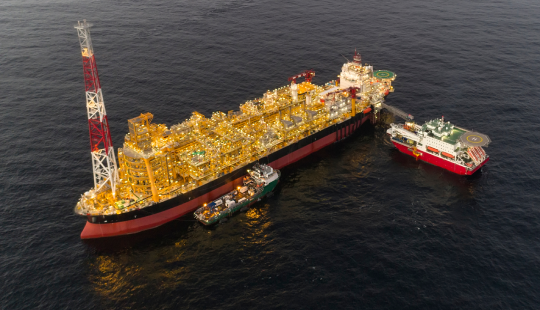
Aries Marine provides reliable services ranging from technical consultancy to project management and boasts an extensive list of satisfied clients across the world.
Read more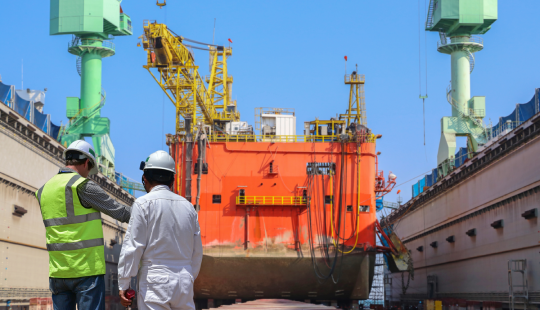
Inspection & Maintenance department is the leading & comprehensive service provider with advanced & compatible techniques to meet the requirements.
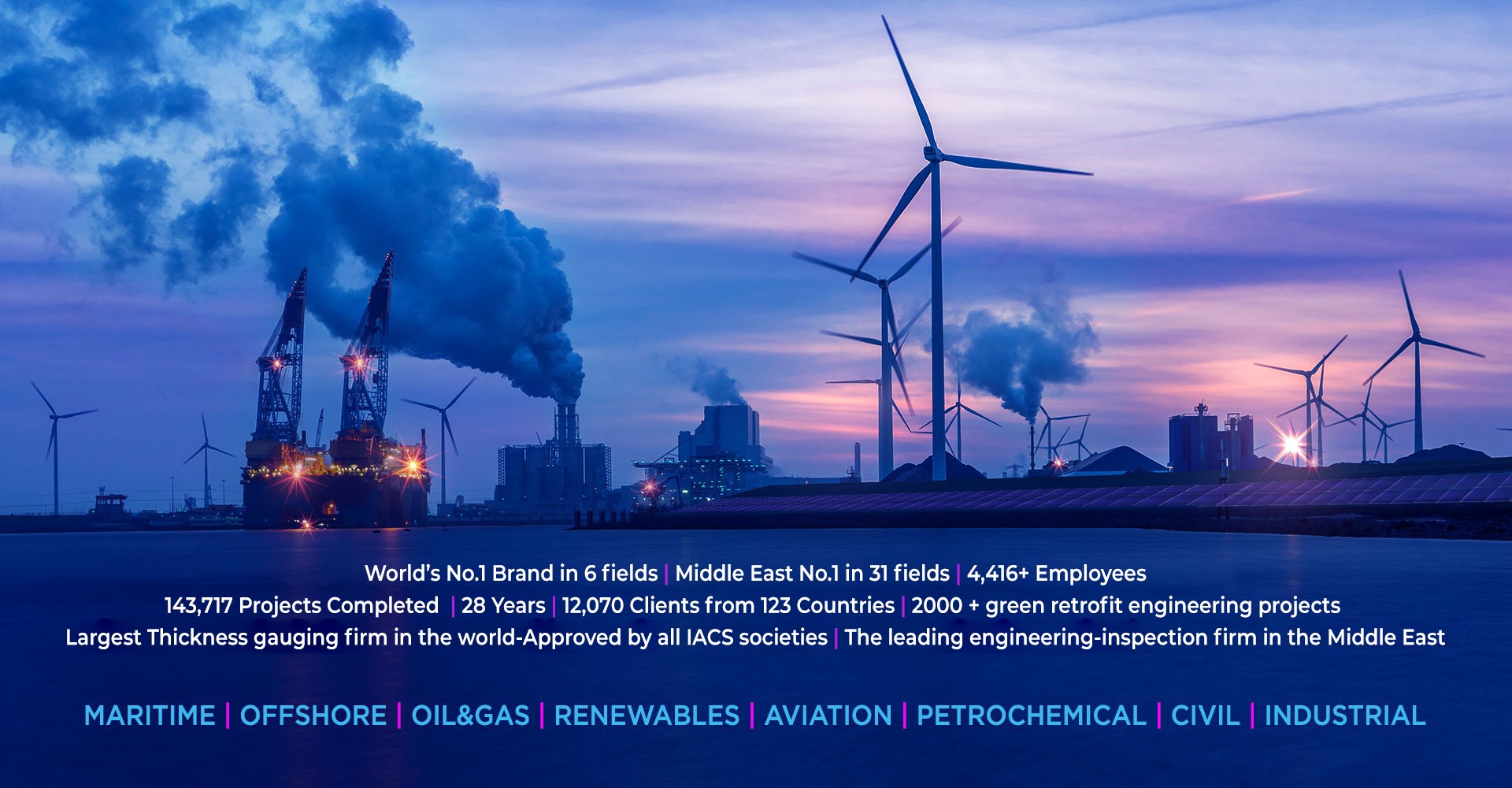
Read moreAries team today is the home to more than 4,416+ engineers & service professionals who have been part of 143,717 projects under the umbrella of its core specialty divisions.
Years
Companies
Employees
Projects
Clients