

Radiography services are essential for non-destructive testing (NDT) to inspect the internal structure of materials, components, and assemblies. By using X-rays or gamma rays, these services detect internal defects, ensuring the integrity and safety of various industrial products. Our certified radiography professionals offer precise and reliable radiographic inspection services worldwide, catering to sectors such as oilfield, Marine , Industrial, offshore and construction. With advanced technology and a skilled team, we deliver accurate results and maintain the highest safety standards with branches in UAE, OMAN and KSA

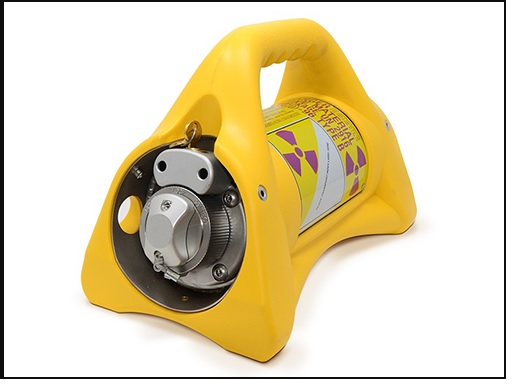
Gamma radiography uses high-energy gamma rays from radioactive isotopes (like Iridium-192 or Cobalt-60) to inspect the internal structure of materials. Because it requires no power source and the equipment is portable, it is the preferred method for inspecting pipelines and heavy industrial components in remote field locations.

This modern alternative to traditional film uses phosphor plates (Computed) or flat-panel detectors (Digital) to capture images. It offers significantly faster processing times, eliminates the need for chemical developing, and allows for digital enhancement and instant sharing of inspection data.

Profile radiography is specifically used to measure the wall thickness of pipes while they are in operation. By taking a radiograph through the side of a pipe, inspectors can identify internal corrosion, erosion, or "corrosion under insulation" (CUI) without having to remove the insulation or shut down the system.

Utilizing an X-ray generator, this method provides high-contrast, high-resolution imaging of welds and manufactured parts. Unlike Gamma rays, the radiation can be turned on and off electronically, making it safer for shop-floor environments where fine detail is required to detect tiny cracks or inclusions.

This process involves converting old, physical radiographic films into high-resolution digital formats using specialized industrial scanners. This ensures long-term preservation of records, saves physical storage space, and allows for the application of software tools to re-analyze historical inspection data.

The Small Controlled Area Radiography (SCAR) system is a specialized technique designed to minimize the radiation "exclusion zone." By using high-density shielding around the source and the target, it allows radiography to be performed in close proximity to other workers, significantly reducing downtime in busy industrial sites.

Crawler radiography involves using a self-propelled, remote-controlled robotic device (the "crawler") to transport a radiation source through the interior of long sections of pipeline. This method is the industry standard for inspecting girth welds in new pipeline construction, as it allows for "panoramic" single-wall exposure from the inside out. This provides superior image quality and much higher efficiency than external techniques, as it can inspect an entire circumferential weld in a single shot.
Yes. Aries Energy's Crawler Radiography uses a self-propelled, remote-controlled robotic device to transport a radiation source through long sections of pipeline, allowing panoramic single-wall exposure that inspects an entire circumferential girth weld in one shot from the inside out. This is the industry standard for inspecting girth welds in new pipeline construction, and is more efficient than external radiography techniques.
Yes. Aries Energy's Profile Radiography measures pipe wall thickness while the pipe is in operation, taking a radiograph through the side of the pipe to identify internal corrosion, erosion, or corrosion under insulation (CUI) without removing the insulation or shutting down the system. This lets operators check for CUI without the cost and downtime of stripping insulation first.
Gamma radiography is generally preferred for remote field pipeline inspection because it uses high-energy gamma rays from radioactive isotopes such as Iridium-192 or Cobalt-60, requires no power source, and uses portable equipment. X-ray radiography, by contrast, uses an X-ray generator that can be switched on and off electronically, making it safer for shop-floor environments where fine-detail inspection of welds and manufactured parts is needed.
Aries Energy's radiography professionals serve sectors including oilfield, marine, industrial, offshore, and construction, with branches in the UAE, Oman, and KSA. This lets clients in the Gulf region use the same radiography provider across multiple project locations and industries rather than sourcing separately per country.
