.png "Aries")
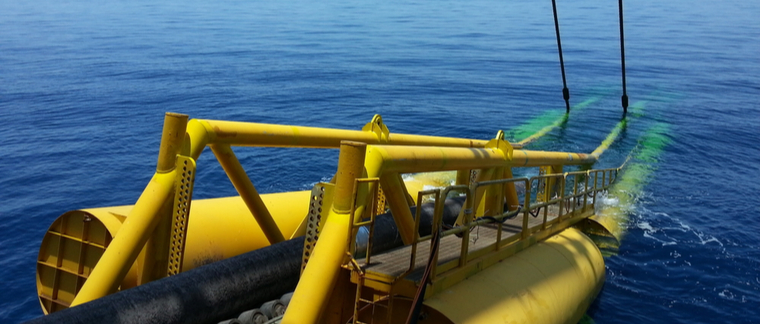
The analyses performed for installation address various stages of installations including the payout, splash zone deployment, J-Tube pull in, seabed installations etc. Static and dynamic analysis for various stages of pipe/cable lay including the initiation, normal lay, temporary lay down, recovery analysis etc. are analyzed for all multitudes of contingencies. Our core team is well versed in all industry standard software and codes to provide you with high-quality assistance for the critical components. Our services include,
Aries Energy provides engineering analysis for a range of subsea assets, including PLEMs, tensioned marine risers, steel catenary risers, flexible risers, hybrid riser systems, umbilicals, and flexible pipelines. This analysis covers installation, deployment, in-service, and recovery operations, rather than being limited to a single stage of the asset's life.
Aries Energy's installation analysis addresses multiple stages, including payout, splash zone deployment, J-tube pull-in, and seabed installation. Each stage is analyzed separately because the loading conditions and risks differ significantly between, for example, splash zone deployment and final seabed positioning.
Aries Energy's subsea services include simulation of subsea operations, riser installation analysis, pipe lay operation analysis, and pipe recovery and deployment analysis. These four service areas cover the main installation and intervention activities associated with subsea risers, umbilicals, and pipelines.
Aries Energy provides installation analysis for tensioned marine risers, steel catenary risers, flexible risers, and hybrid riser systems. Covering this range of riser types matters because each has different installation loading behavior, from the top-tension requirements of tensioned risers to the touchdown point considerations of steel catenary risers.
