
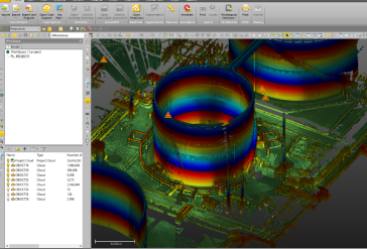
ARIES can offer comprehensive multi-level FFS analysis (along with failure analysis/ investigation, if required) to ensure the mechanical integrity and reliability of assets such as
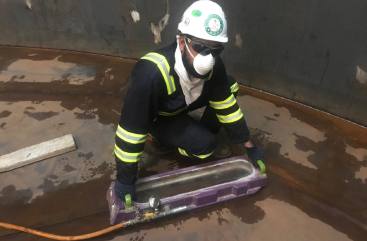
Aries Energy’s certified inspectors are available to support your requirements in in-service tank inspection, in-service inspection of pressure vessels, piping in-service inspection.
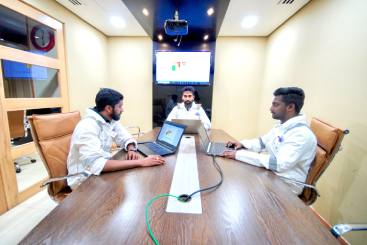
Aries offer Qualitative, Quantitative, and Semi-Quantitative Risk Based Inspection Methodologies in Oil/Gas, Power, Petrochemicals and Marine sector
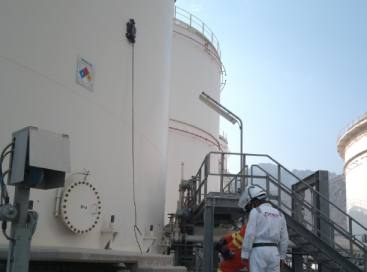
ARIES ensures the ability to precisely measure the quantity (volume) of containment systems/ storage units/ equipment, by adopting international codes/standard practices
FFS analysis evaluates whether a specific component with an identified flaw or degradation (e.g., wall loss, a crack) remains safe to continue in service, typically triggered after an inspection finds an anomaly. RBI, by contrast, is a planning methodology — qualitative, quantitative, or semi-quantitative — used to prioritize which assets and how frequently they should be inspected based on risk. Aries Energy offers both, so FFS is reactive to a specific finding while RBI is proactive inspection planning.
Aries Energy’s inspectors hold qualifications aligned to API 510 (pressure vessels), API 570 (piping), API 653 (storage tanks), API 580 (risk-based inspection), API 571 (damage mechanisms), and API 936 (refractory). This spread of certifications means a single inspection program can cover pressure vessels, piping, and tanks under recognized API in-service inspection codes rather than requiring separate specialist providers for each asset type.
Yes. Volumetric calibration determines the precise quantity/capacity of containment systems such as storage tanks, and this applies to existing in-service tanks as well as new installations, in compliance with the relevant international codes and standards. This is typically needed when a tank’s certified capacity table needs to be re-verified, for example after modification or for custody transfer accuracy.
Both. In addition to routine in-service inspection of tanks, pressure vessels, and piping, Aries Energy performs failure analysis and investigation services to determine the root cause after an equipment failure has occurred. This is typically requested when an asset has already failed or shown unexpected degradation, feeding findings back into FFS analysis or RBI prioritization for similar assets.
